

As summer temperatures rise, Pipestone is encouraging pork producers and livestock haulers to take extra precautions when transporting pigs to help protect animal welfare and maintain herd performance.
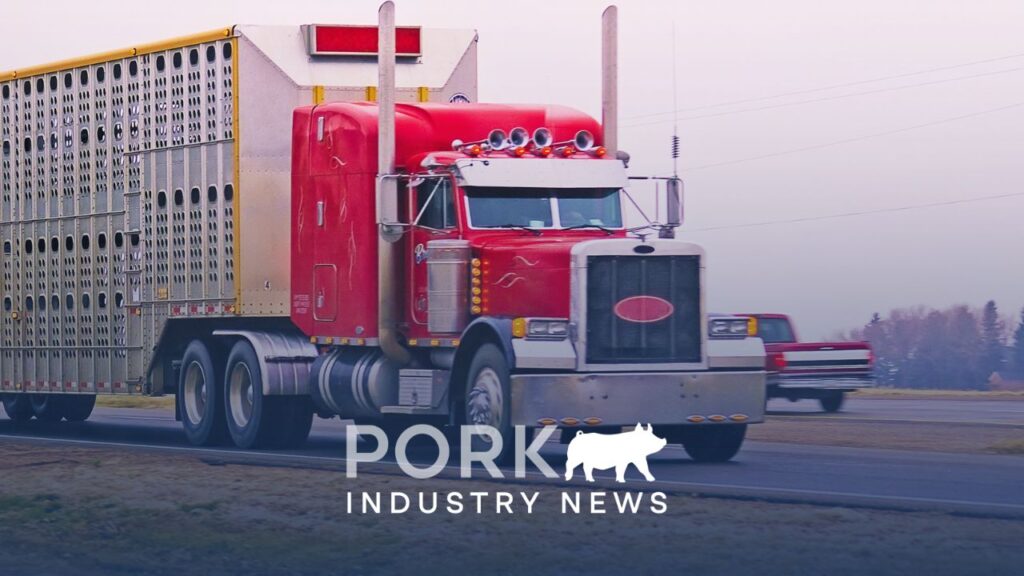
According to Pipestone, successful warm weather hauling begins with preparation, flexibility, and consistent daily practices. Heat-stressed pigs are more susceptible to disease and can experience slower growth, making proper transportation management especially important during the summer months.
The company recommends monitoring weather forecasts, adjusting travel schedules when possible, maintaining proper trailer ventilation, reducing stocking density during hot conditions, and loading pigs during cooler parts of the day. Pipestone also stresses the importance of minimizing time on trailers and keeping trucks moving during unexpected stops to maximize airflow.
In addition to heat management, Pipestone reminds producers that strong biosecurity remains essential throughout the hauling process. Thorough cleaning and disinfection of trailers and equipment, following farm-specific biosecurity protocols, using clean clothing and boots, and limiting unnecessary exposure between sites all help reduce the risk of disease transmission.
The warm weather transportation recommendations were shared by Brad Smidt, Director of Transportation at Pipestone, who emphasizes that preparation, awareness, and consistency are key to safely hauling pigs during challenging summer conditions.
For the complete list of warm weather hauling recommendations and additional transportation best practices, read the full article on the Pipestone website.